Looking back over history there is a trend that can be quite easily traced. A society will get organised, the efficiencies of scale kick in and then it has more labour than it needs to survive. In Egypt the cyclical nature of the agriculture seasons driven by flooding produced the Pyramids and other wonders. It is only the most spectacular of many, from the Incas to the Christian world of medieval times. There was whenever the spare effort was available this impulse to beautify the world. This seems to be true even up to the 19th century with the Victorians building vast palaces to industry and even beautifying their sewage pumping stations!
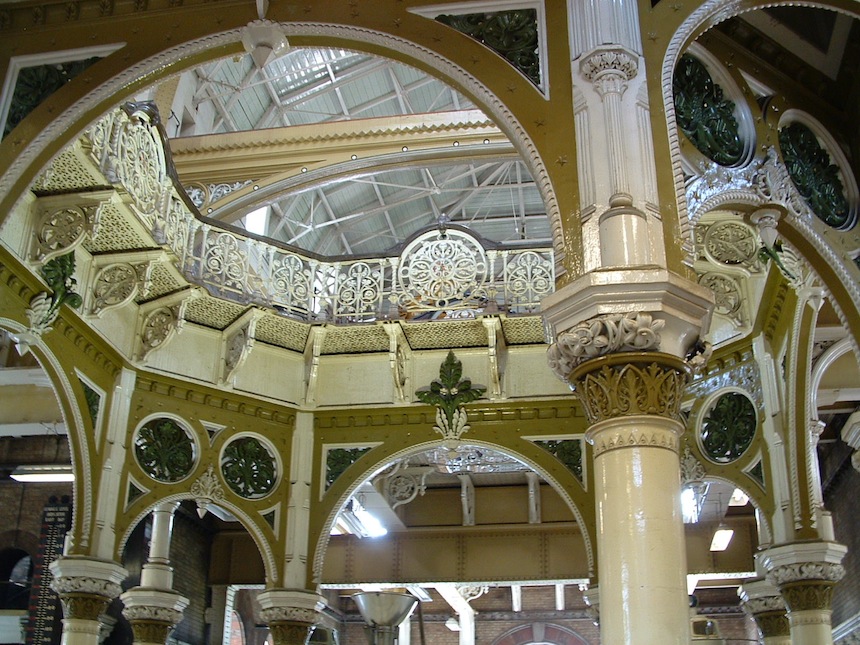
This is that astonishing cathedral to sewage the Abbey Mills pumping station in east London.
Often religion was the driver, or actually the status of the patriarchs and tyrants into whose hands power had devolved. Nonetheless I suspect there was much general pride in the achievements. So what do we do with our spare human effort? It is certainly there in greater quantities than we ever seen in history before. By any previous measure there should be vast monuments being raised of incomparable richness and beauty. You might point out that we have staggering high rise cities, but these are raised with only a minor expenditure of effort compared to the past. There is also no real attempt to make them beautiful only tall, ingenious engineering wise and above all cheap. Any of the great cathedrals would be too expensive to build nowadays. Liverpool Anglican Cathedral, one of the last built, cost around £700,000 or about £53 million today. That however does not mean it would cost that amount to build today as the required labour and materials for such a project would I estimate be far higher.
So where does our spare effort go? Well, essentially as far as I can see we waste it. Governments fear people without an activity to keep them off the streets more than anything else. Unemployment breeds discontent and and can quickly cause a society to implode, as we might, I fear, soon see in Greece and Spain. This unemployment is small though when compared to the numbers of people we actually need to keep the show on the road. I’m not sure of the figures, indeed I suspect no one is, but I daresay we could support our population at an acceptable survival level with only the effort of 15% or less of the population’s effort. With full automation yet to have its greatest effect that proportion is probably due to plummet. The Marxist dream of leisure for the masses has come true, but not quite how those early socialists expected.
The problem of all this leisure is what on earth are people to do with it? There are no vast communal projects to soak up the unneeded potential, indeed out greatest communal effort is in extending individual life which just adds to the time to be occupied by harmless activity or bovine inactivity. If the potential isn’t used up in some way then the pressure will build up and those person hours could and likely would be used to the detriment or destruction of society as a whole. The Devil truly does make work for idle hands. The answer we have arrived at by empirical accident is to divert that effort into mostly harmless pastimes. So hours are soaked up by entertainment, not just by those that consume the TV shows etc, but also the vast industry devoted to supplying the fodder and hardware to amuse those surplus minds. We also make up endless activities that keep idle hands busy while producing nothing and using minimal resources, commonly known as sport. Depressingly my own preferred activity in life is also now defined as a hobby and listed amongst these unneeded absorbers of time. We churn out far more paintings than will ever be required to go on domestic walls or fill private and national collections.
Surely this human potential could be better used. At the moment it is merely vented as if from an over pressurised boiler with fragile seams. If all this useless activity was carried out without a cost to society or the fabric of our world it would be bad enough, but the price paid in resources and wear and tear on our planet is dreadful and unsupportable in the longer term. Where has mankind’s ambition gone? There is it seems no vaunting drive to conquer new territory or extend the reach of the species. It is not as if there isn’t plenty of space in our vast universe to do just that if we chose. If the Victorians had discovered spaceflight in the 1860’s you could bet that by now they would have been all over the solar system like a rash! Yet we huddle close to our small world with most of our effort in that regard used to put up satellites so that we may more easily distribute entertainment to keep the masses quiet and safely inactive.
There is a considerable and growing swelling of opinion against the way we organise things. However depressingly to my mind they are all aimed at retrenching. We are fashionably green, we espouse renewable energy, living in harmony with nature and so forth. All fine and admirable aims, but in order to achieve them or anything close, several billion people will have to die. If we are serious in that ambition then reduction of population should be the number one cause celebre, but that is rarely ever mentioned. Rather we cling to ideas such as “organic” or “carbon neutral” etc which are for the most part entirely bogus in their actual delivery. The whole idea of sustainability is fraught with illogical and unrealistic thinking. Rather as if a group of people were trapped in an airtight chamber with no hope of rescue . Instead of making the effort to escape, which is they know just about theoretically possible, they decide the best course is to breath less often. The result being that they die a little later than they would do if they had made the attempt to escape but failed.
The facts are simple, the earth is a closed system, we will exhaust its resources because our cultural momentum is too great for any meaningful course change, indeed we have probably already overstepped the mark. The planet’s vulnerability and instability will cause our extinction sooner or later. As individuals we have no difficulty in choosing later rather than sooner in relation to personal mortality. I don’t see any problem with a whole race of beings taking the same posture vis a vis extinction. Yes, human kind will expire eventually, but in the meantime many lives will be lived, joys and sorrows experienced and shared. To my mind it would be well worth it just for the wonder that would inevitably be experienced during the lives that would be lived.
Why do we not dream of garlanding our sun with beautiful rings teeming with life? Why do we not set about reaching out into that great ocean of stars? Yes it is huge and frightening, cold and inhospitable, and we would die in droves attempting it. But we don’t think that the many sailors that died exploring our globe as having wasted their lives, indeed we laud those in the past who died in hopelessly dangerous leaps into the unknown. Yes it would deplete and I dare say ravage our poor world yet further, but if life is as rare as it seems to be and possibly unique, then surely its longer term survival is worth fighting for. The attempt may fail, but surely that is more glorious and dignified than to merely fade away whist dissipating our energy and desire for survival on Playstations and reality TV. For the Greens and Environmentalists there is the thought that once the unsupportable drain of human demands is being supplied by off planet resources then Earth could once again be a garden, perhaps to give birth to other minds in some unknowable future.
When I express such thoughts and when I hear others occasionally do the same the response is mostly similar:
“We have enough problems here on Earth to be solved before we use precious resources to look beyond.”
Superficially this looks sensible. We have poverty, disease and dying innocents to deal with. Surely that is where our efforts should be focussed? If there was any hope of success in these ambitions in the current world’s social trends I might agree. Sort those out first and then we can turn our attention outwards. A little thought shows that the ambition to deal with these problems within our current closed world are nigh on impossible. We struggle to improve child mortality, then the populations out strip supply and starvation and misery often result. I was struck by a recent documentary about countries that had rich resources to be exploited. Sadly it didn’t result in the uplifting of the ordinary population, but only the increased exploitation and degradation of the many by the few. The most optimistic potential future has us all living in more or less equal poverty not lifting the masses out of it. There is only so much cake and the slices will by stages have to become thinner, even in the unlikely event of them being divided fairly. The most probable future is that we will fight over the dwindling resources until enough of us have been killed to ease the pressure. Or more likely still, a whole series of such events punctuated by periods of recovery.
Another opinion I hear uttered as if it is wisdom is the idea that we don’t need to explore off the planet’s surface as machines can do it better, cheaper and more safely. I just can’t see how anyone thinks this could be sensible. If we miraculously discovered a new continent on the Earth we wouldn’t say, “We will just learn about it by sending over drones as colonisation would be too risky!”
Why do scientists think that just finding out about our surroundings is sufficient? Men don’t look at Everest and think, ” Oh I know how high it is and I’ve sent a drone up and it has taken samples, so I don’t need to bother to climb it.” We don’t think like that at all, as the many fatalities show, because the important thing is that they wished to experience it first hand. Exploration isn’t an end in itself it is merely the means to extend potential human experiences. Exploring our universe in person is merely the beginning. Columbus didn’t come back and then nobody bothered to follow as it had already been “done”. Others followed to live their lives there, which I know was pretty bad luck for the indigenous peoples, but many many wonderful lives have been lived out there. That is why we need to take the leap.
Not for the resources.
Not for the knowledge gained.
Not for the glory.
We need to do it so that humanity can experience and know the wonder of this vast place in which we find ourselves. Lives lived, loves, hopes and disappointments felt are the richest harvest here.
The emptiest and most depressing award I think goes to the nihilists who say, “We have made a right mess here, all we will do is mess up the rest of the solar system!”
They equate humanity to a desease spreading relentlessly and wrecking everything it touches. This seems to me to be a stupidly self centred position to take. Would life as a whole be served letting it die out on this small pebble we call home? Will trees never have the chance to spread their branches wide under other suns? Will whales be denied the chance to swim in other seas? Will men be denied the chance to live and love on other worlds or in the vast reaches between them? We are the only hope we know of at present for this thin smear of organised matter we call life, it is I feel our duty to extend its reach.
How sad it would be if we are truly alone in this great place and we by inaction allow our small light to go out. That the majestic galaxies should wheel on their courses through the immensity without ever being seen by a knowing eye. For worlds to raise up their mountains that will never to be climbed. For the vast ocean of space to remain empty and barren of that small plankton we call life.
The above is also a good reason for me to paint, even though most of the paintings will never grace a wall and are destined for storage under my bed. Indeed when I am gone they are probably destined for a landfill. They are my small appreciation of the wonderful and often scary place I find myself. A thank you letter to whatever outrageous combination of events has allowed me to be here and appreciate the fact.
.
Not many big paintings this post, I am still busy earning a few bucks so painting time has been restricted. I have however been trying yet again to find a practical way of sketching standing up in difficult and often busy places where a tripod is impossible. I have decided small might be better so I have been experimenting with 7in by 5in oils.
.
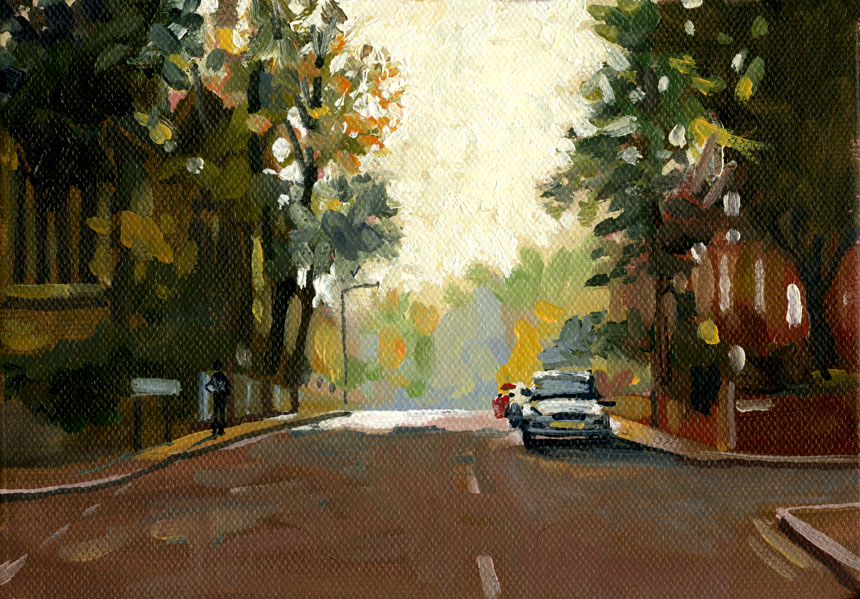
This is St Johns Vale very close to home. Just a quick study of the light but plenty of information for a larger painting. Often at this time of year this very ordinary scene becomes transfigured by the light. I just need the right figures or whatever to bring out the atmosphere and give a sense of the people and their routines. The train station is just to my left and streams of people arrive only moments before the trains they need to catch. I love the mood of often distracted urgency that comes from people who would prefer to be still in bed but have to rush for their train to work. Unfortunately that is not when the light is at its best, so I will have to use my imagination to set the early morning activity in the later afternoon sun.
.
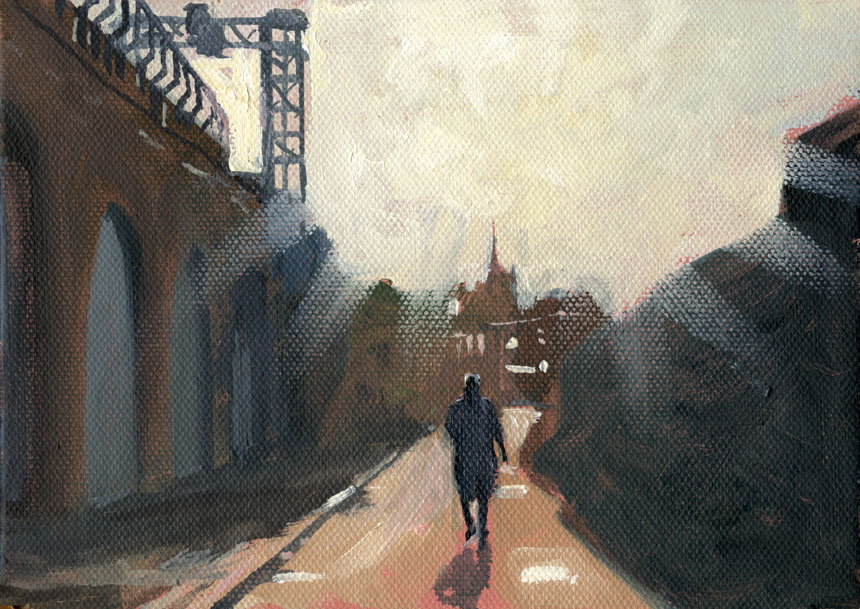
Another test expedition close to home. this is the lifting bridge over Deptford Creek at the oddly named Ha’ penny Hatch. I had no thought of painting here until the walked past me into the light. Which show how important figures are in a composition. The figure took longer than the rest as I had to make it up. But still all done in about 20min which is a great thing about these tiny studies.
.
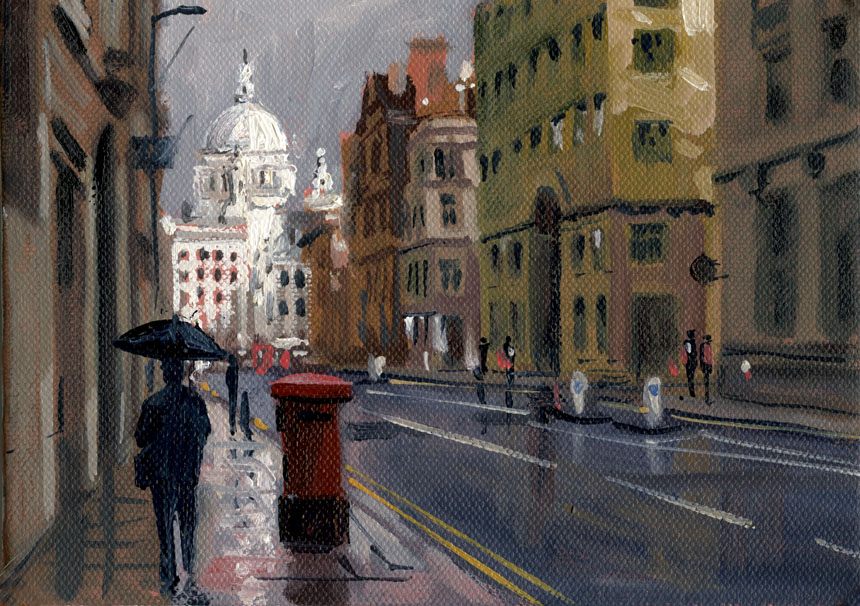
This is St Pauls from Fleet St. Not too busy so I could just stand, even so I was a bit in the way. It’s odd how few stationary people there are on the streets every one is busy going somewhere. Due to that people tend to bump into you as they pass!
.

St Mary le Strand, some lovely contrasts, here I got all the darks established as very simple thinly painted areas. The canvas texture of these panels is very good for this as the darks can be rubbed into the weave, but the high points show some transparency which enlivens the shadows.
.
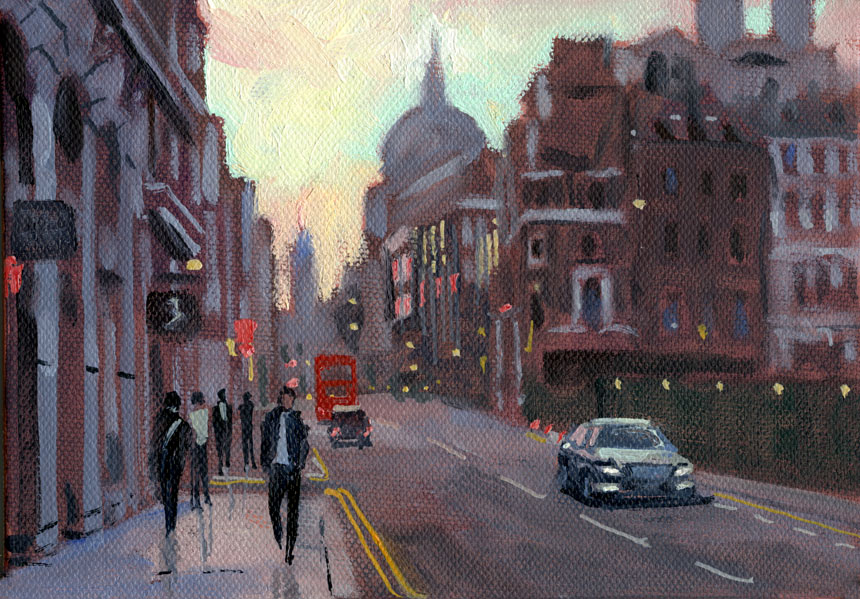
I have painted this scene dozens of time now and it never disappoints. This is St Pauls from Cannon St. I scrubbed the dark reddish brown over everything except the sky just as a silhouette. Then laid in the lights and the deepest darks over the top.
.
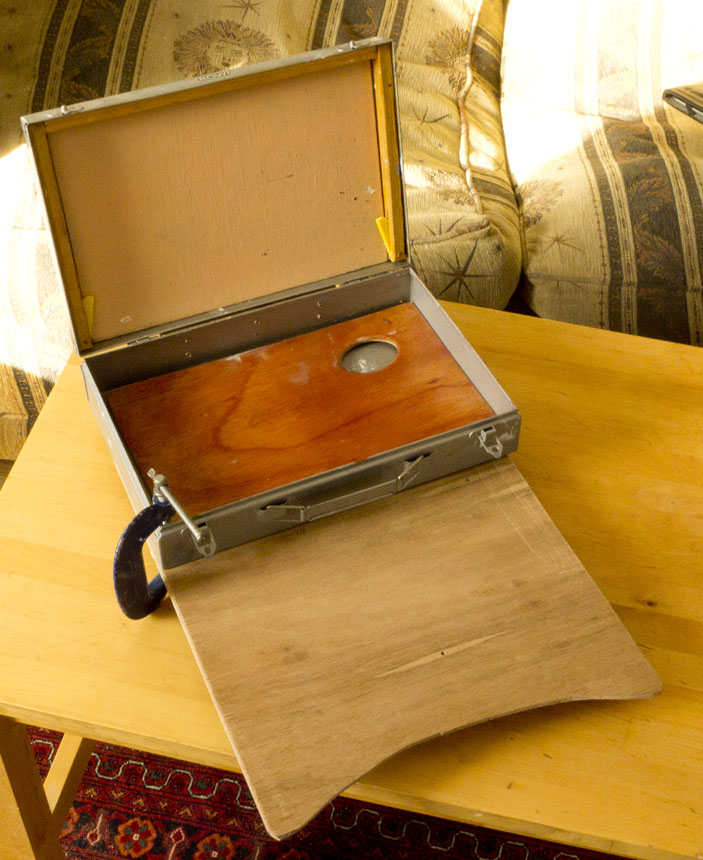
For the plein air nerds this is my latest and simplest set up for painting standing. It’s really a test rig to get the design sorted. The curved board just rests against my stomach. This takes enough of the weight of the box to allow painting handheld standing up in relative comfort. At first I just used a ruler as a prop but the the shaped board works better. I think the board will be replaced by a wire frame eventually. I am in the midst of building a wooden version which will be much lighter… and hopefully more elegant!
.
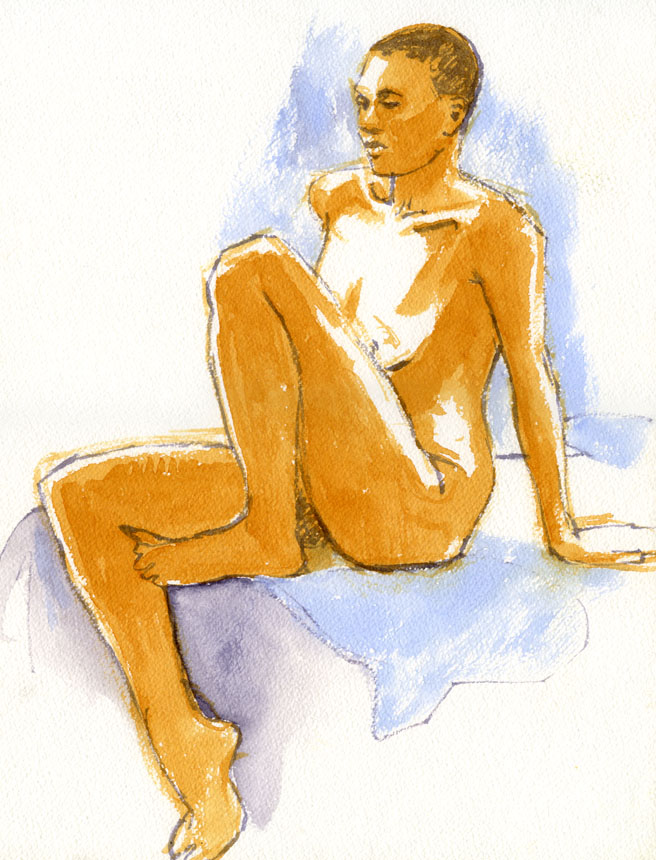
Some life drawings to finish off.
.
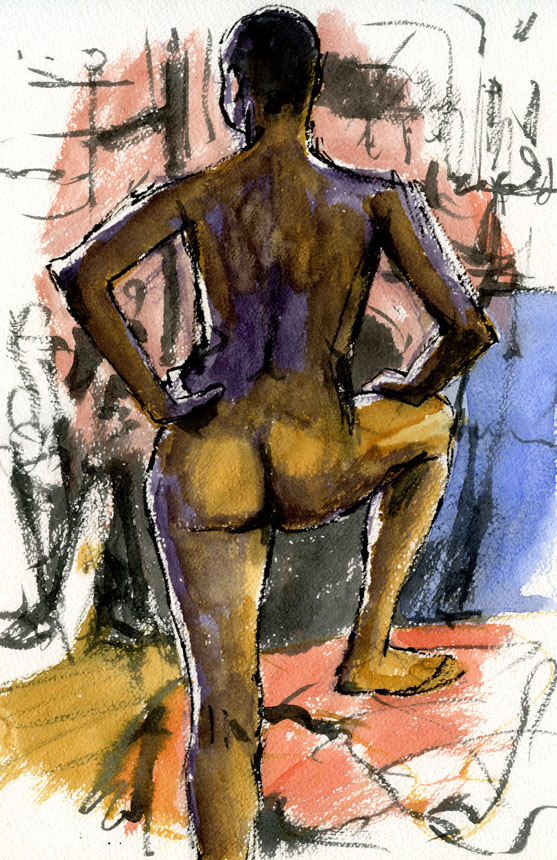
I just brought brush pens to this session which was a mistake. They are great for delicate touches and first sketching outbut rubbish for larger areas!
.
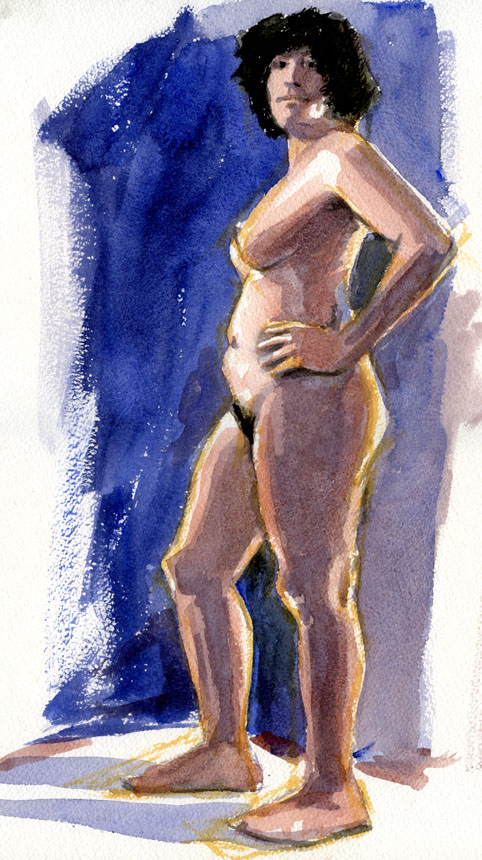
Next session and watercolour brushes too this time… so much easier!
.
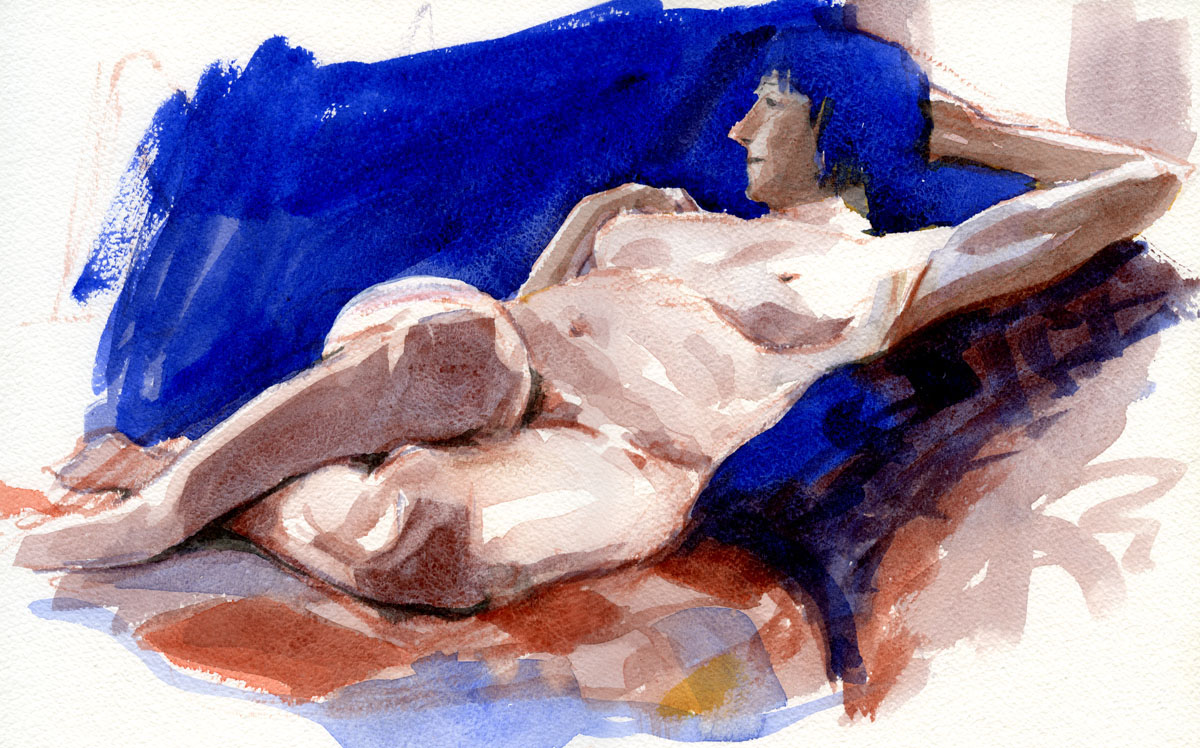
I thought about making the hair black but the blue rather took my fancy.
.
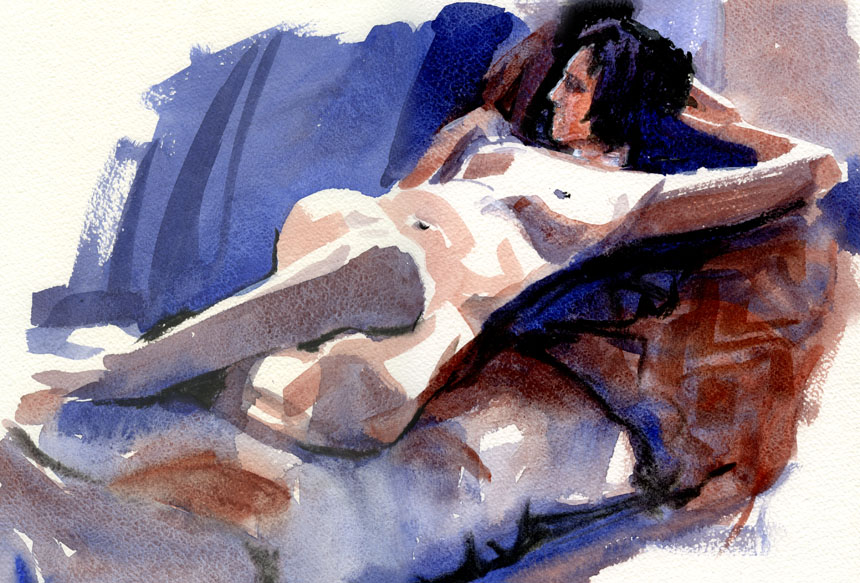
Another of the same pose, it is fun to do this, it is some how easier to break the subject down at the second attempt I try to do these very fast without worrying too much about accuracy.

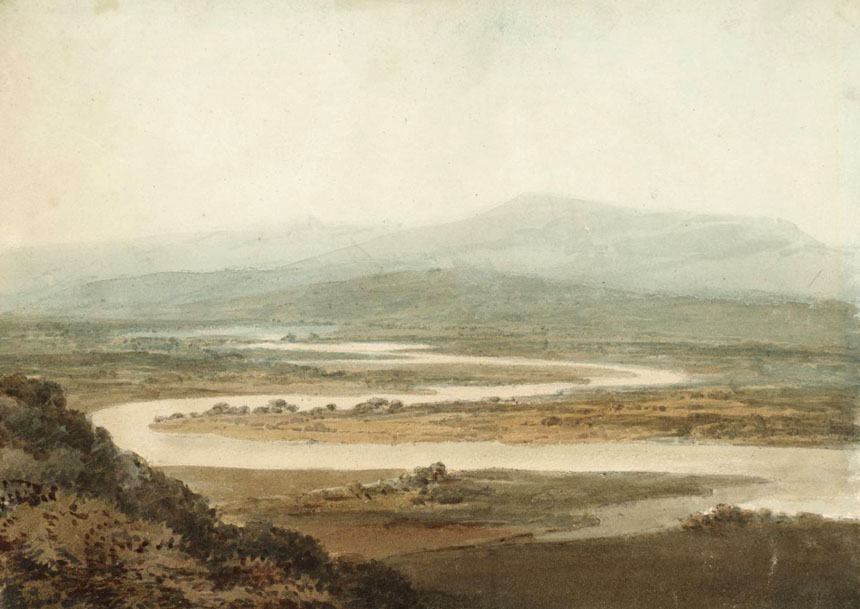

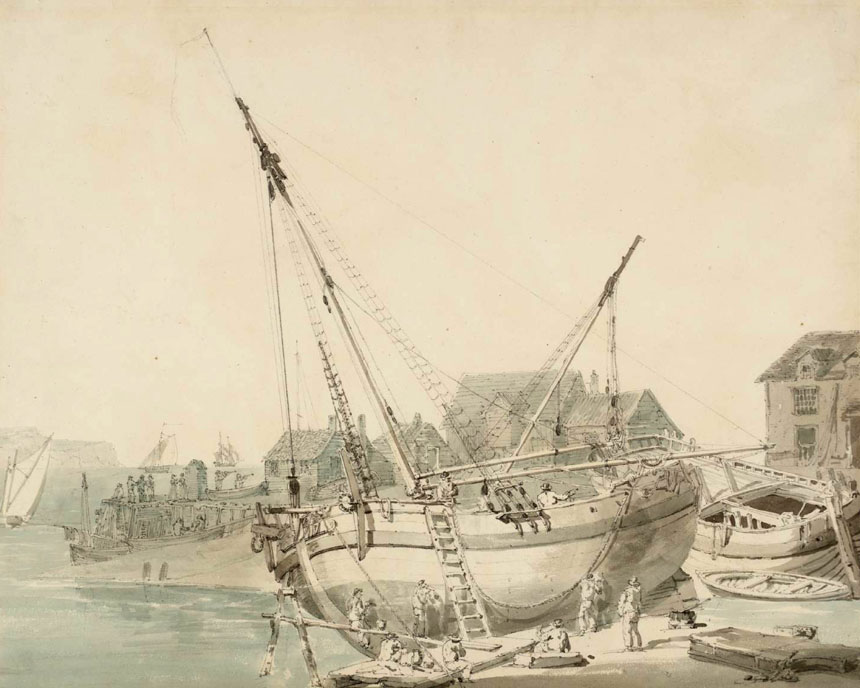
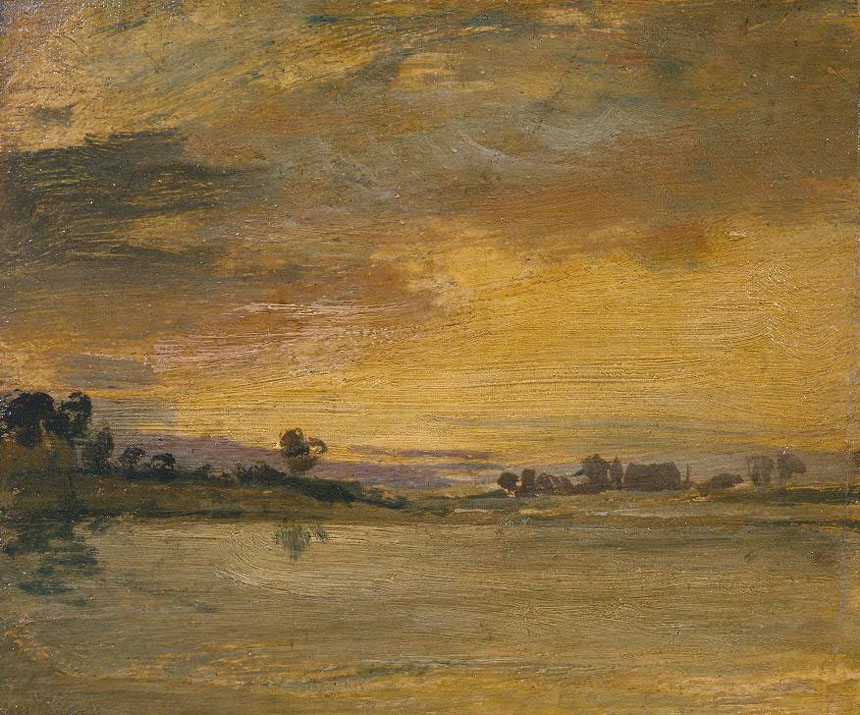 This is from 1805.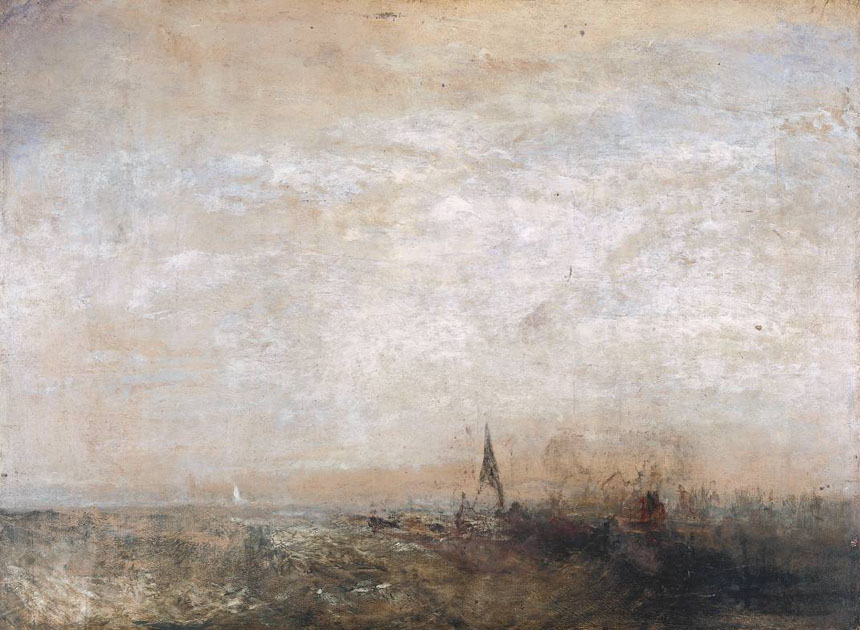
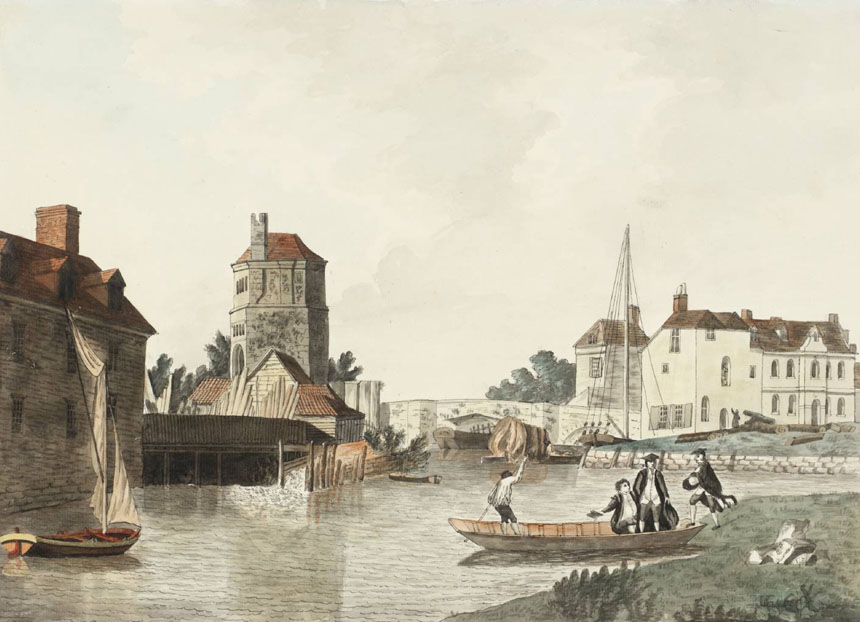 Oxford in about 1787 so he is 12 years old.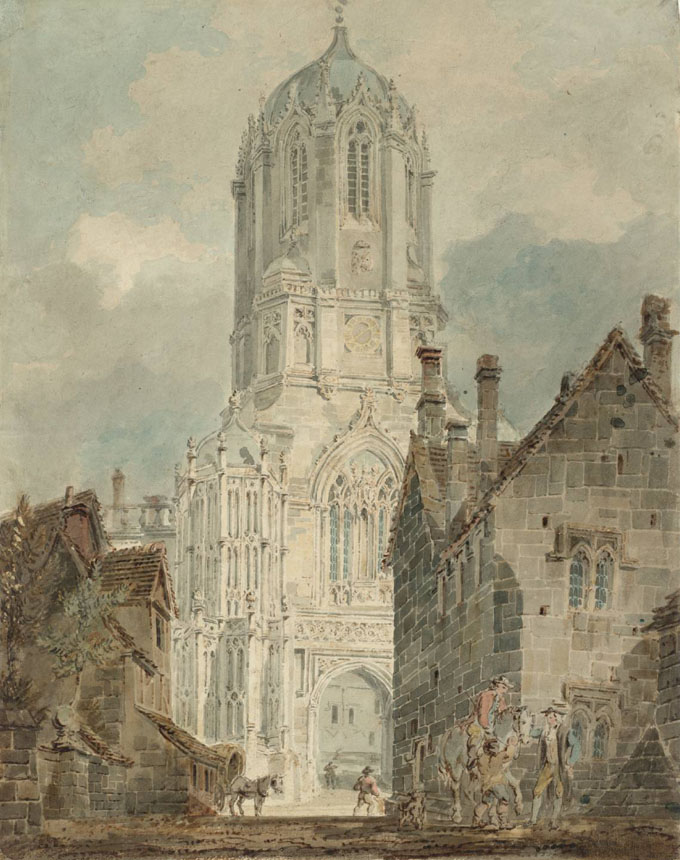
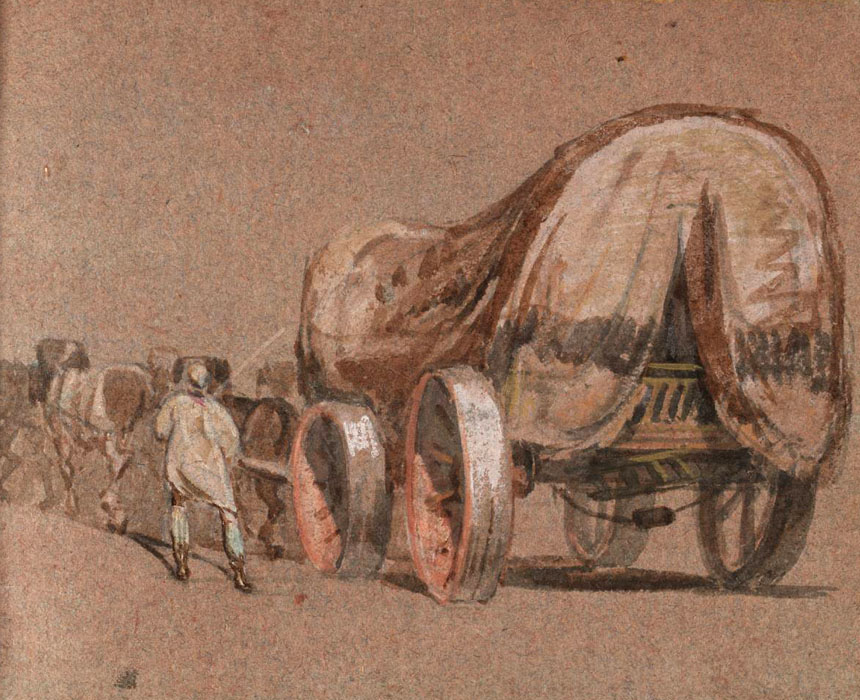 This fine and accomplished sketch is from 1796.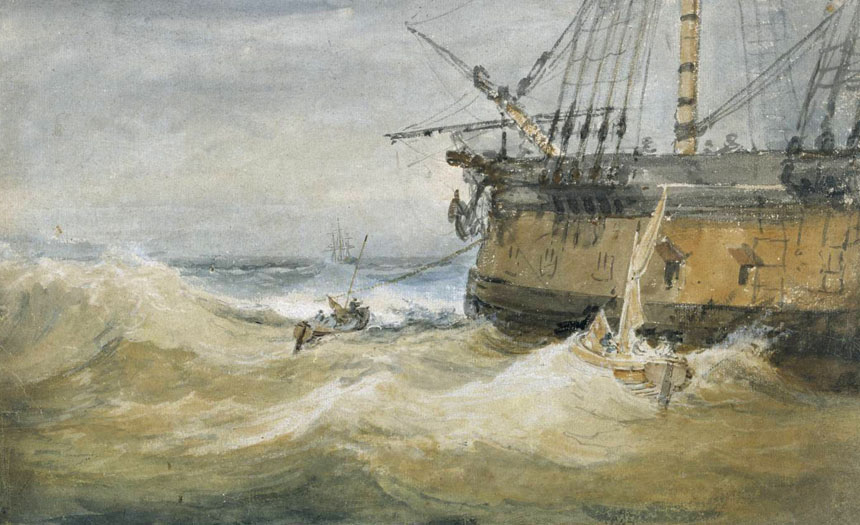
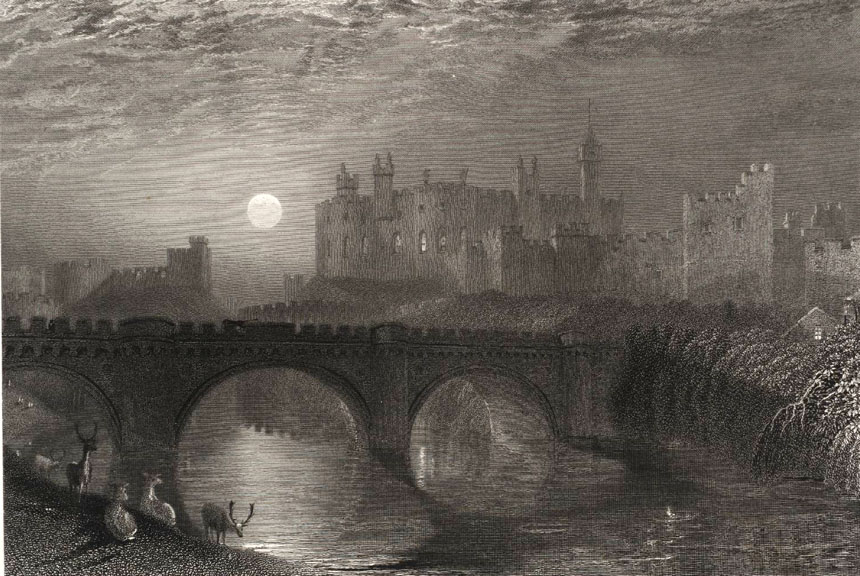
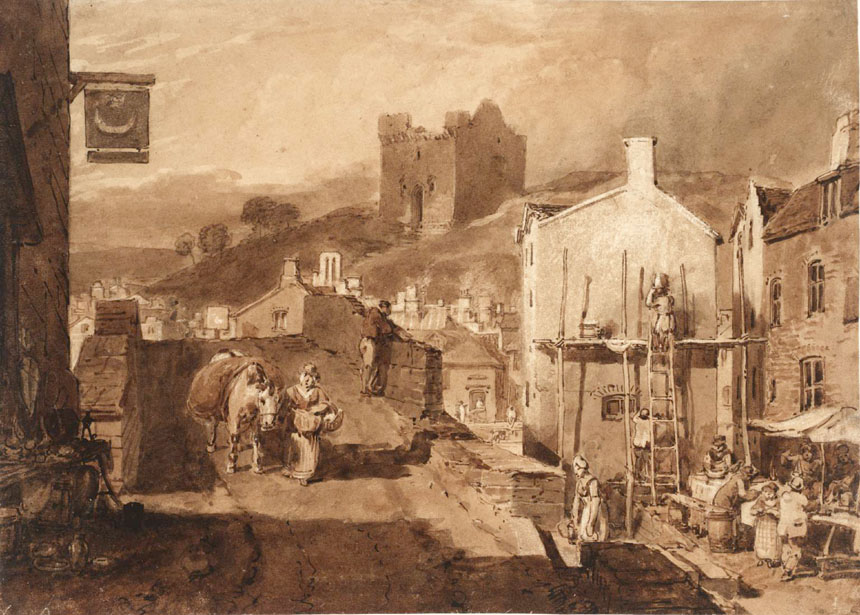 This is Morpeth from around 1806.
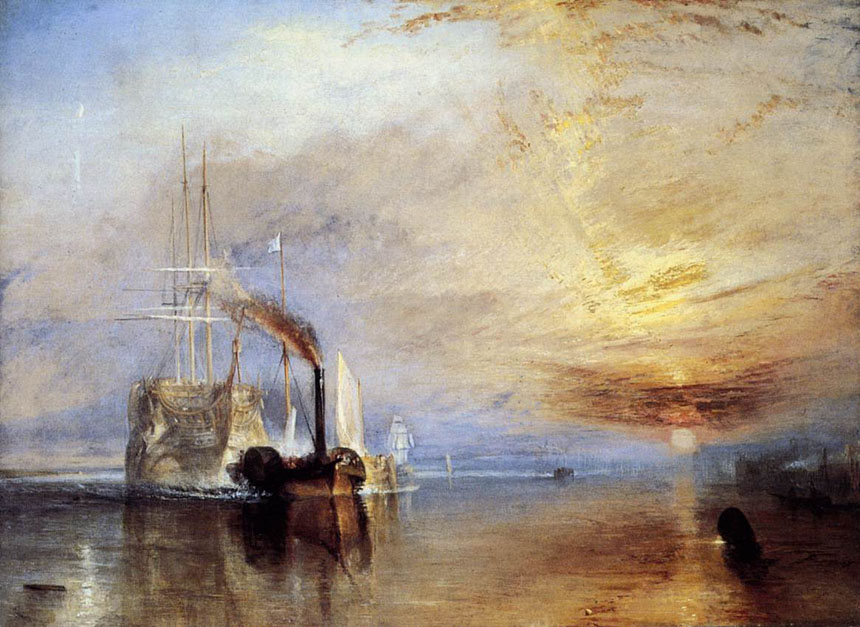
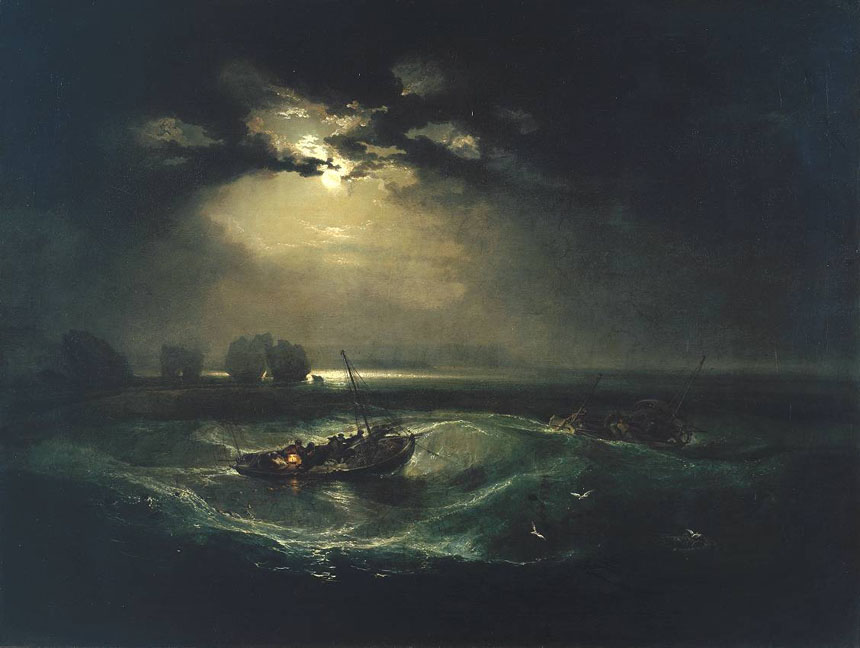
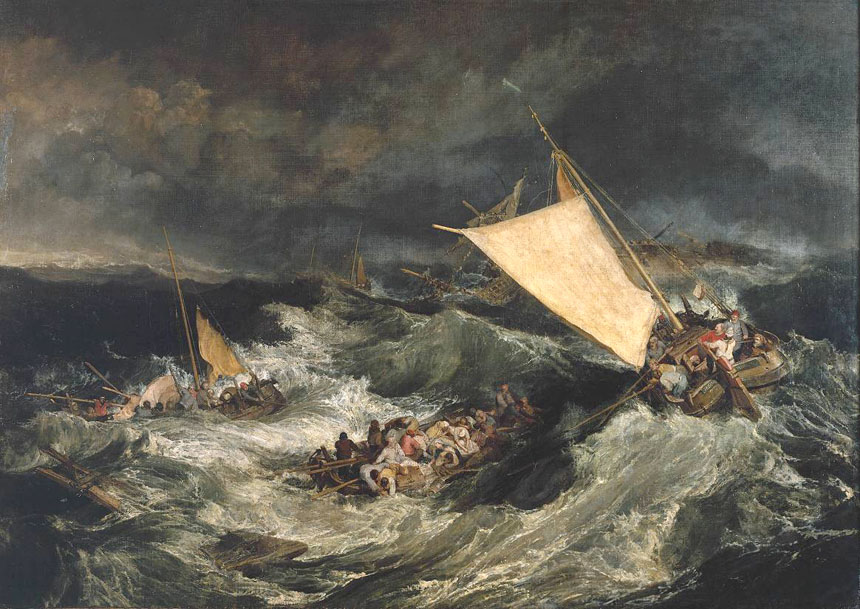 This fine seascape hangs in the National Gallery London.
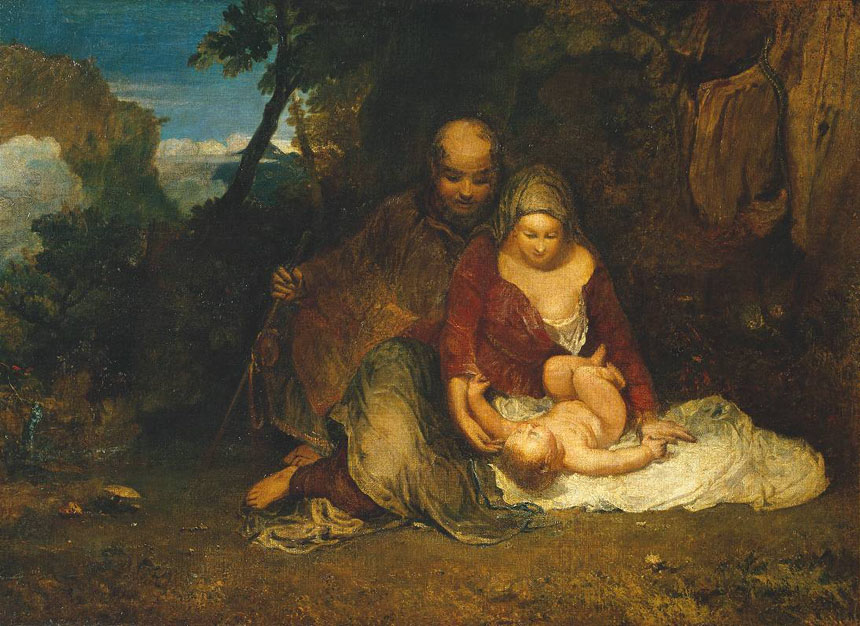 We also see him absorbing the influences of earlier painters as in this shaky attempt at a Titian from 1803 after visiting the Louvre.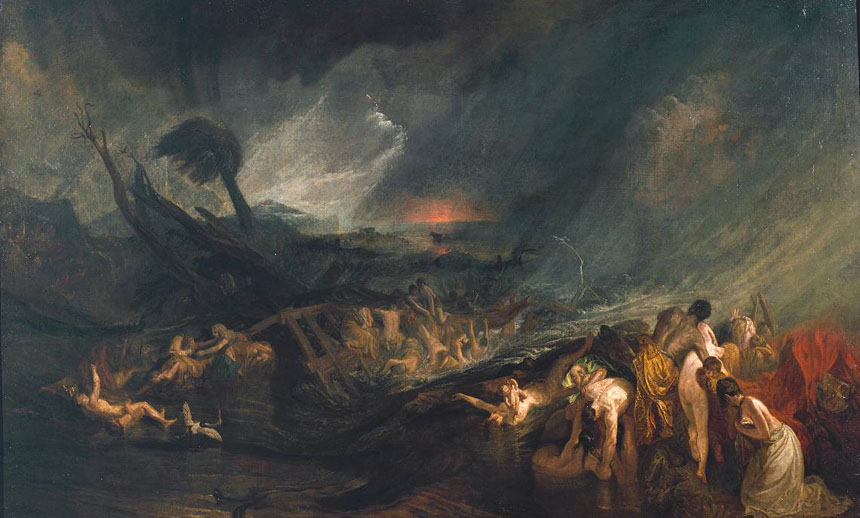
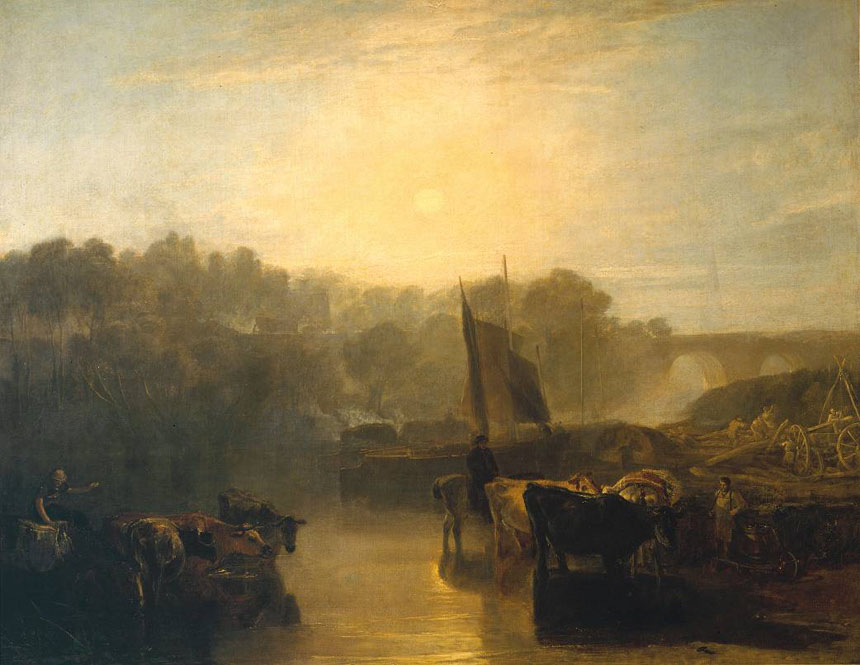
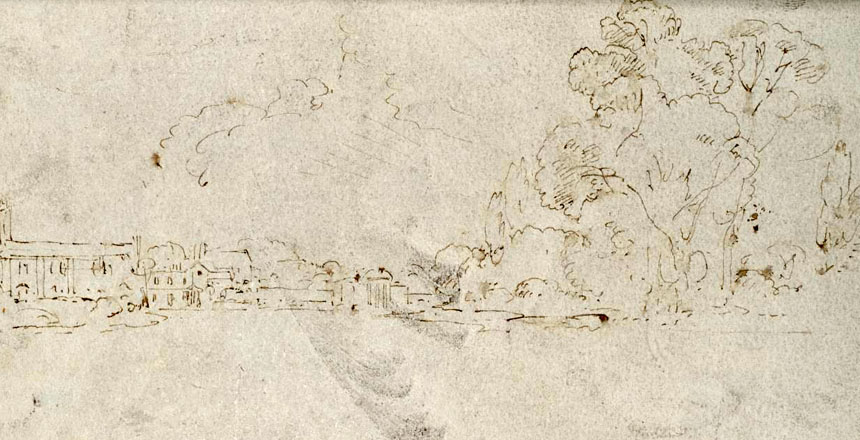

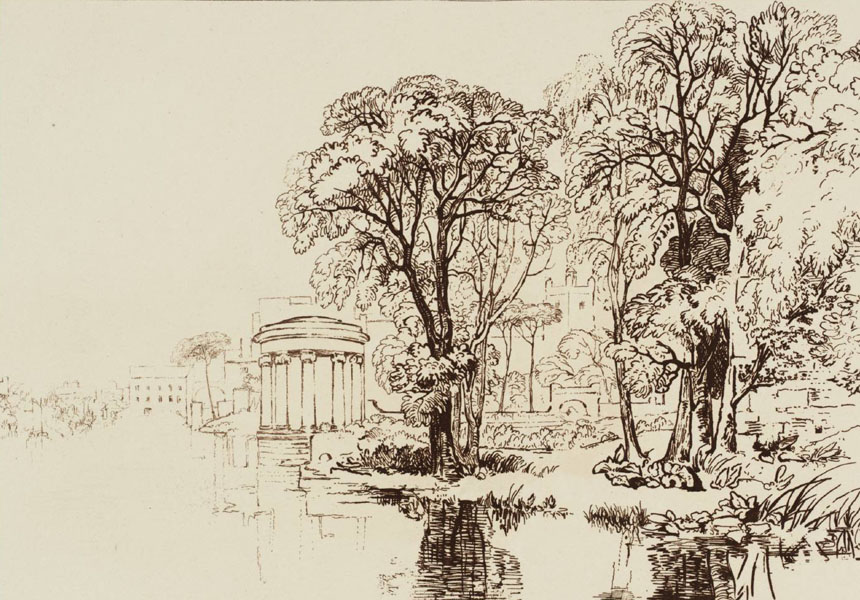
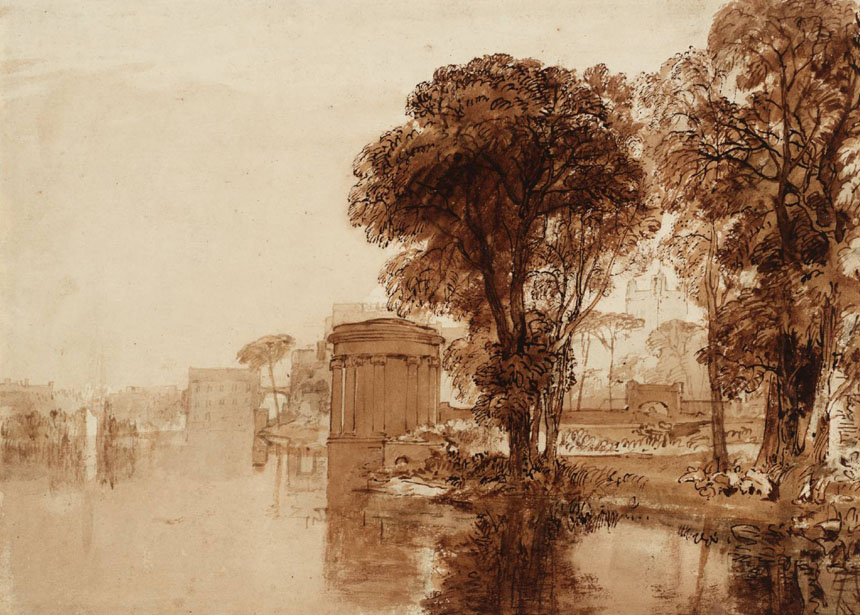

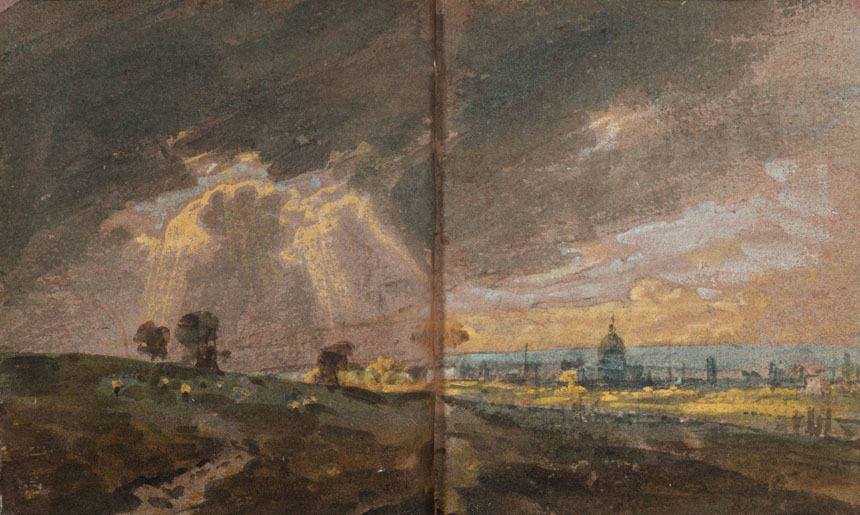
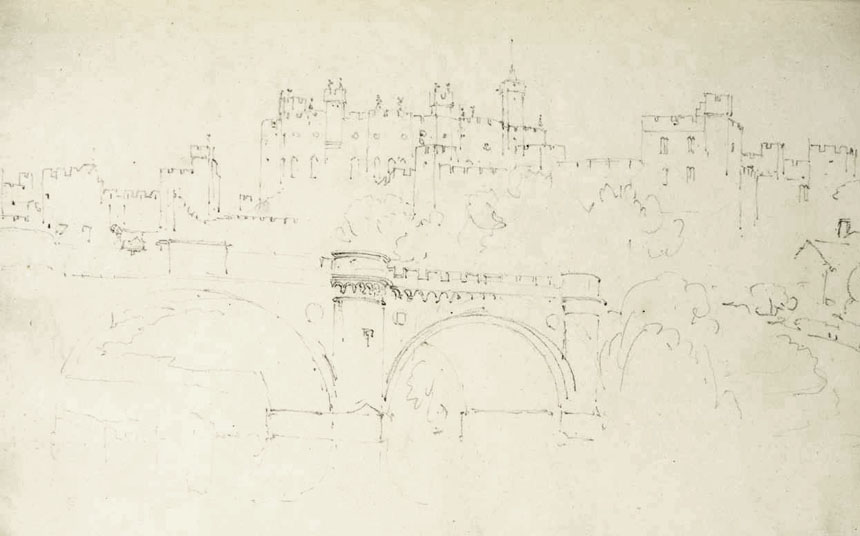 This sketch is typical, he just notes down the salient features, the mood and colouring would probably come from another sketch possibly not even
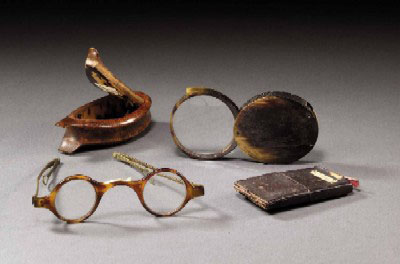
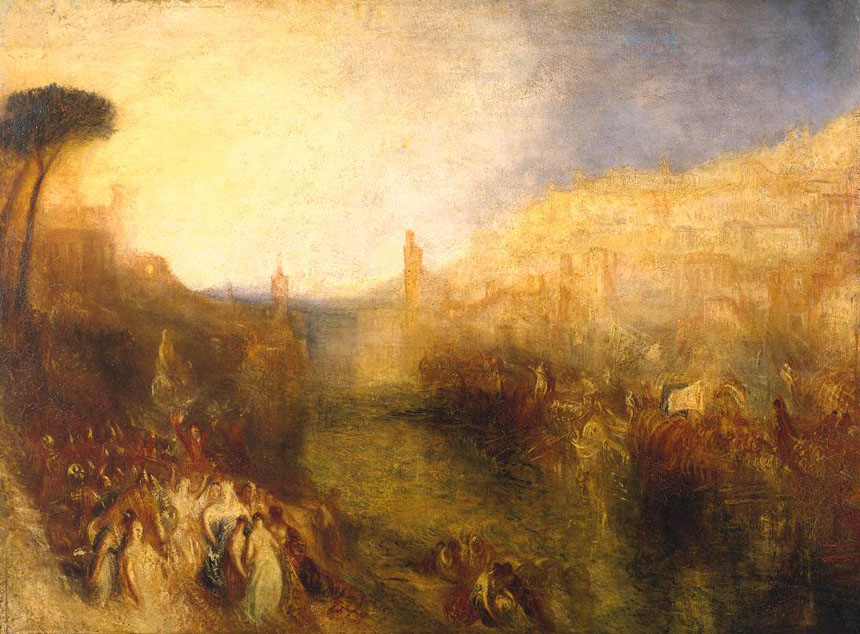
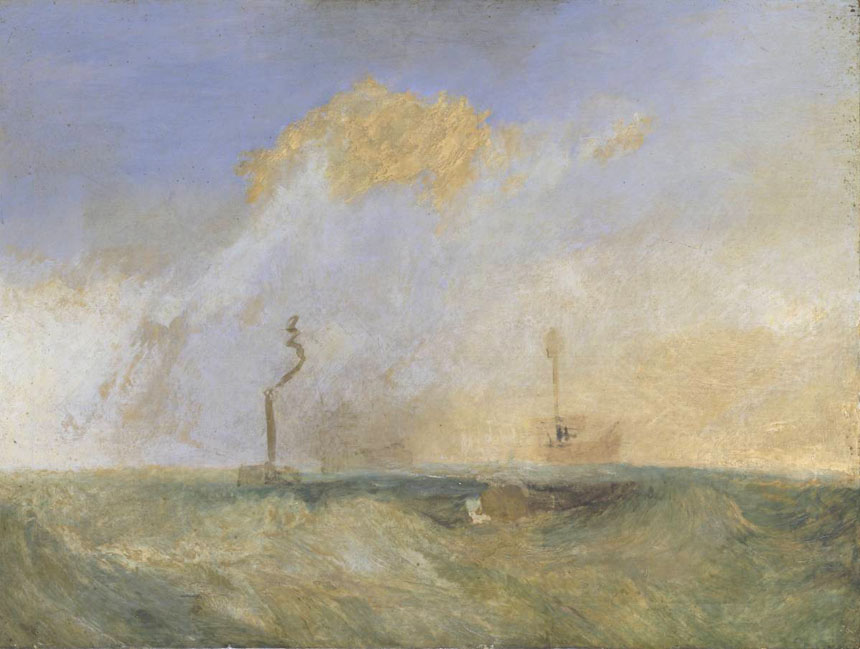
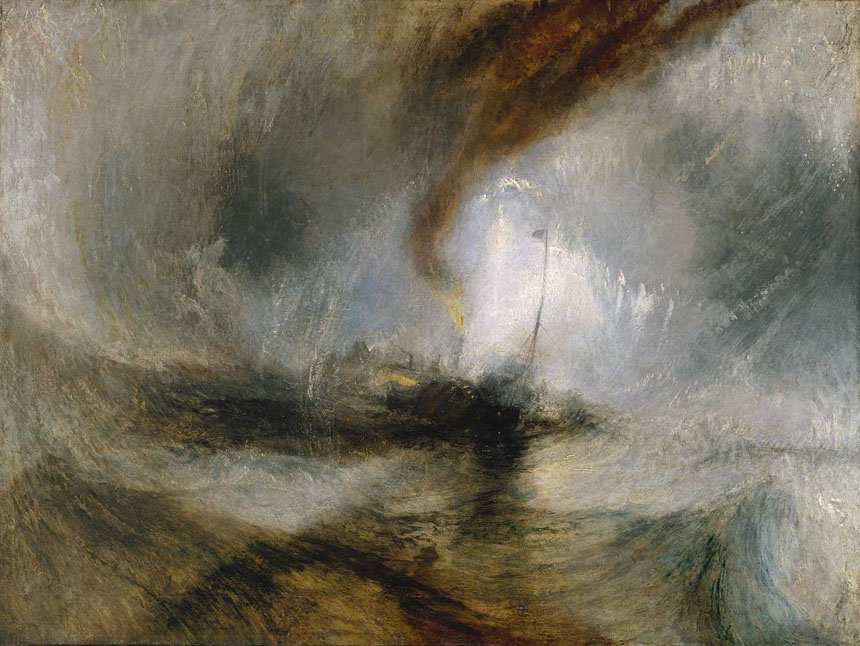
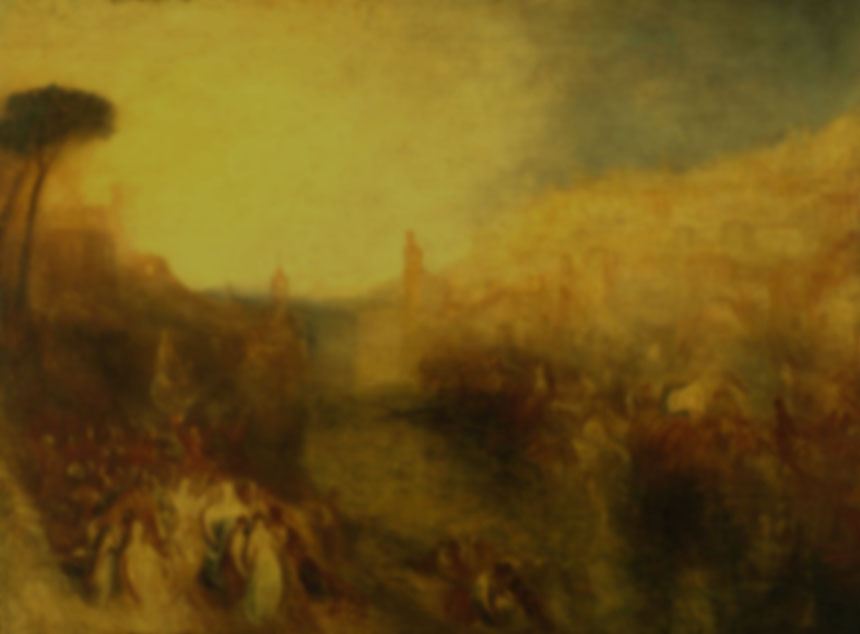 This is only a rough guess but it gives you an idea of how heartbreaking it must have been for a man like Turner to have his eyesight decline.